
Notice: Class timing has been updated. Please check Class Schedule

The Evolution of Women’s Participation in Combat Sports: Breaking Barriers and Fueling Success

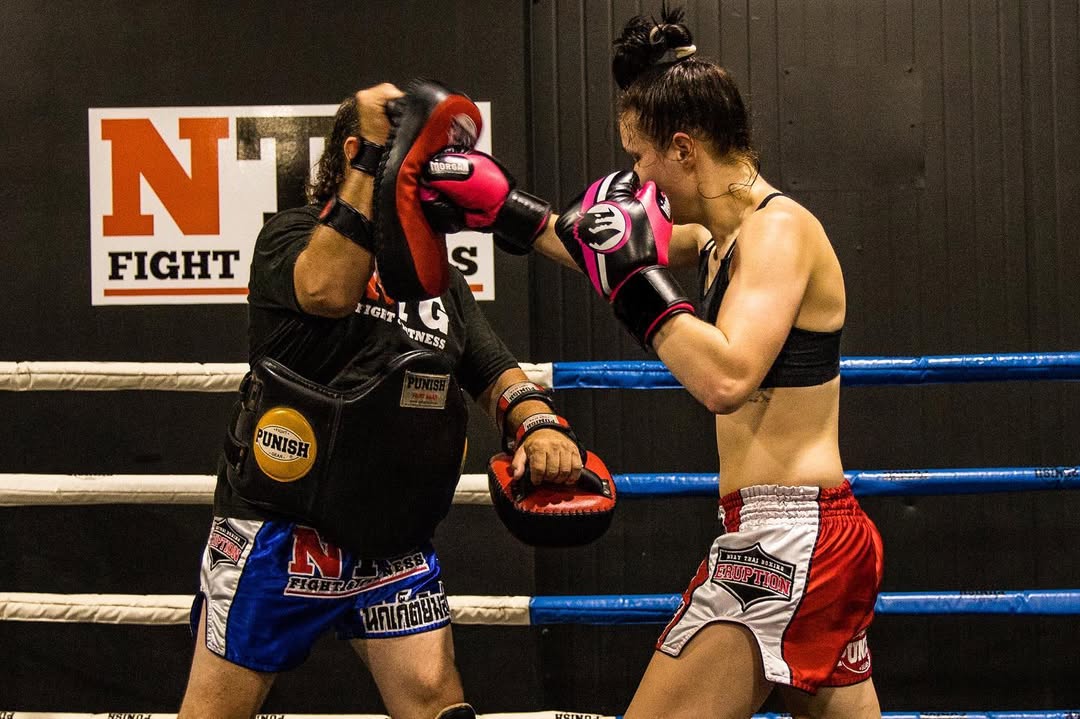
Once considered an arena exclusively dominated by men, combat sports have undergone a significant transformation over the past few decades. Women around the world are not only participating but excelling in disciplines such as Muay Thai, MMA, boxing, and Brazilian Jiu-Jitsu (BJJ), breaking stereotypes and rewriting the narrative of strength, resilience, and empowerment.

Today, women fighters are competing at elite levels, leading teams, coaching, and inspiring the next generation of athletes. However, this rise hasn’t come without challenges—gender biases, lack of representation, inadequate resources, and societal expectations often make it harder for women to access opportunities and support.

In this article, we explore the evolution of women in combat sports, the unique physical and mental challenges they face, and how proper training, nutrition, and recovery strategies help them thrive. We’ll also highlight how NTG Fight & Fitness Singapore actively supports female athletes through specialized programs, inclusive coaching, and a community-driven approach that empowers women to excel without compromise.

A Brief History: How Women Entered Combat Sports

Women’s participation in combat sports traces back decades, though often underrepresented. Early pioneers had to fight against cultural stigma, limited access to training facilities, and exclusion from competitions.

Milestones in Women’s Combat Sports

  • 1970s–1980s: Women began participating in amateur boxing and martial arts tournaments, often facing skepticism and ridicule.
  • 1990s: Organizations like the International Brazilian Jiu-Jitsu Federation (IBJJF) started including women’s divisions, though participation was still low.
  • 2000s: The rise of professional women’s MMA, with stars like Ronda Rousey bringing mainstream attention.
  • Today: Female fighters compete in global events, win world titles, and coach mixed-gender classes.

This evolution reflects broader societal changes—more acceptance of women in sports, greater media coverage, and increasing investment in female athletes’ training, sponsorship, and career development.

Why Combat Sports Appeal to Women

Combat sports offer more than physical strength—they provide empowerment, discipline, and mental resilience. Here’s why women are increasingly drawn to these disciplines:

  1. Self-Defense Skills
    Learning techniques like striking and grappling builds confidence in self-protection and situational awareness.
  2. Body Strength and Conditioning
    Combat sports challenge muscles in functional ways, leading to improved fitness, endurance, and posture.
  3. Mental Toughness
    Training under pressure cultivates resilience, emotional control, and focus—skills transferable to other areas of life.
  4. Community and Support
    Many women find camaraderie and encouragement in training spaces where shared struggles are normalized.
  5. Goal Achievement
    Setting and reaching fitness or competition goals fosters self-belief and determination.

Unique Challenges Women Face in Combat Sports

Despite progress, female fighters still face systemic and physical barriers. Understanding these challenges helps coaches, organizations, and athletes create better support structures.

1. Gender Stereotypes

Many women are discouraged from pursuing combat sports due to myths about fragility or aggression being “unfeminine.” This societal bias affects confidence and access.

2. Lack of Female-Specific Training Programs

Some gyms lack programs tailored to female physiology, leading to injuries or suboptimal training routines.

3. Hormonal Cycles and Performance

Menstrual cycles can impact strength, endurance, and mood. Without education and proper adjustments, female fighters may struggle to balance training intensity with recovery.

4. Nutrition Gaps

Inadequate caloric intake, dieting, or lack of knowledge about nutrient timing can impair performance and hormonal balance.

5. Representation and Role Models

Though growing, the number of visible women leaders in combat sports remains lower compared to men, which can discourage participation.

Addressing Physical and Hormonal Needs

A fighter’s body isn’t just built in the gym—it’s nurtured through tailored nutrition, sleep, and self-care. Women’s unique physiological needs must be addressed to support both athletic development and long-term health.

Hormonal Health and Training

Fluctuations in estrogen and progesterone influence energy levels, muscle repair, and mood. Training schedules that account for menstrual cycles—reducing intensity during certain phases or increasing active recovery—can help maintain balance.

Nutrition for Female Fighters

Women often have lower iron levels, higher risk of bone loss, and greater need for specific nutrients like calcium, vitamin D, and omega-3 fatty acids.

Key recommendations:

  • Eat balanced meals rich in whole foods.
  • Avoid restrictive dieting that impacts energy levels.
  • Include anti-inflammatory foods like turmeric, ginger, and leafy greens.
  • Hydrate consistently, especially around menstrual cycles.

Strength Training

Resistance exercises, when done correctly, improve muscle mass, bone density, and metabolic health—fighting myths that strength training leads to “bulky” physiques.

Recovery Practices

Rest days, mobility work, and breath control techniques are crucial for preventing overtraining and sustaining energy.

Mental Empowerment: The Psychological Side of Fighting

Combat sports push athletes mentally as much as physically. Women face additional pressure to prove themselves, often training harder to be taken seriously.

Mental health strategies include:

  • Practicing mindfulness and visualization techniques before training.
  • Keeping a workout journal to track progress and setbacks.
  • Setting small, achievable goals that build confidence.
  • Creating supportive networks within training environments.

At NTG Fight & Fitness Singapore, coaches encourage female athletes to embrace their unique strengths, fostering an environment free of judgment and full of shared ambition.

How NTG Fight & Fitness Singapore Supports Female Fighters

1. Inclusive Training Programs
NTG’s classes are structured to cater to varying fitness levels, focusing on technique, strength, and injury prevention tailored to women’s needs.

2. Female-Friendly Facilities
Private training spaces, clean equipment, and accessible schedules ensure comfort and safety for women balancing training with family and work.

3. Nutrition Workshops
Educational sessions guide female athletes on balancing hormone health, muscle recovery, and energy needs.

4. Strength and Conditioning Plans
Customized plans consider training history, fitness goals, and hormonal cycles to promote sustainable progress.

5. Mindfulness and Stress Management
Regular workshops teach relaxation techniques, meditation, and goal-setting strategies to support mental resilience.

6. Community-Led Support
NTG promotes peer mentoring where experienced fighters guide newcomers, helping build confidence and accountability.

Success Stories: Women Breaking Limits

Many women at NTG have achieved milestones that challenge stereotypes and inspire others.

  • A mother of two rediscovered her strength through structured training and now competes at regional Muay Thai tournaments.
  • A professional balancing career and training increased her endurance and resilience, reporting improved mood and work-life balance.
  • Several young women have transitioned from self-defense training to competitive BJJ events, setting examples for others to follow.

These stories are not about perfection—they’re about persistence, balance, and courage.

Nutrition Tips Specifically for Female Fighters

  1. Prioritize Iron-Rich Foods
    Lean meats, spinach, lentils, and fortified grains help maintain energy and prevent fatigue.
  2. Support Bone Health
    Include calcium, magnesium, and vitamin D through leafy greens, dairy, or supplementation.
  3. Plan Around Your Cycle
    Adjust training and nutrition to match phases of the menstrual cycle, allowing for optimal energy use and recovery.
  4. Balance Macros
    Don’t under-eat carbohydrates or fats; these are essential for sustained energy and hormonal regulation.
  5. Hydrate Strategically
    Water and electrolyte balance are vital during menstruation and high-intensity training days.
  6. Mindful Eating
    Eat with awareness rather than restriction; meals should nourish, not punish.

Creating a Balanced Lifestyle Beyond the Gym

Fighting isn’t just about stepping into the ring—it’s about cultivating a healthy, empowered lifestyle. Women benefit from:

  • Journaling progress and setbacks
  • Prioritizing sleep as a form of self-care
  • Setting boundaries with work and family obligations
  • Engaging in social networks for motivation and accountability
  • Learning to listen to their body and respecting rest days

Combat sports encourage resilience, but that resilience is strengthened by holistic care.

Conclusion

The rise of women in combat sports is more than a trend—it’s a movement toward empowerment, equality, and health. Despite challenges ranging from social stigma to hormonal fluctuations, women fighters are redefining strength and resilience, proving that combat sports are for everyone.

With the right support system, tailored training, mindful nutrition, and recovery strategies, women can thrive both inside and outside the gym. At NTG Fight & Fitness Singapore, women are encouraged to pursue their fitness goals without compromise, guided by expert trainers, educational resources, and a community that celebrates every step of their journey.

For those ready to break barriers and build strength with purpose, combat sports offer more than technique—they offer a path toward confidence, balance, and self-discovery.


The Science of Recovery: How Proper Rest Enhances Performance in Fighters

When we think of combat sports like MMA, Muay Thai, boxing, or Brazilian Jiu-Jitsu, the first images that come to mind are intense training sessions, sweat-drenched drills, and relentless sparring. Yet, what separates good fighters from great ones isn’t just how hard they train—it’s also how well they recover.

Recovery is the unsung hero of athletic performance. Without adequate rest, nutrition, and self-care, even the most dedicated fighter can plateau, suffer injuries, or burn out mentally and physically. In this article, we explore the science behind recovery, why it’s vital for fighters and fitness enthusiasts alike, and how a structured recovery plan can enhance performance. We’ll also highlight how NTG Fight & Fitness Singapore emphasizes recovery as an essential component of training, helping members build sustainable, long-term strength.

Why Recovery Matters in Combat Sports

Combat sports demand high levels of physical exertion, emotional control, and mental toughness. Training stimulates muscles, joints, and energy systems while also producing wear and tear on the body. Without proper recovery, the following issues can arise:

  1. Muscle Breakdown and Fatigue
    Intense workouts create micro-tears in muscle fibers, which need rest and nutrients to repair and grow. Without recovery, fatigue accumulates, reducing strength and coordination.
  2. Increased Injury Risk
    Overtraining without adequate rest strains ligaments, joints, and connective tissues. Repeated stress can lead to chronic injuries like tendonitis, muscle tears, and ligament sprains.
  3. Mental Burnout
    Fighters who push too hard without rest can experience mental exhaustion, reduced motivation, and emotional stress, all of which affect performance.
  4. Decreased Immunity
    Intense training suppresses the immune system temporarily. Without recovery, athletes are more susceptible to illness and infection.
  5. Hormonal Imbalance
    Overtraining elevates cortisol (the stress hormone) while reducing anabolic hormones like testosterone, impairing muscle repair and mood regulation.

For these reasons, recovery is not a luxury—it’s a necessity for longevity, peak performance, and overall well-being.

The Three Pillars of Recovery

Optimal recovery is built on three pillars: rest, nutrition, and active recovery strategies.

1. Rest and Sleep

Sleep is the body’s natural recovery process. During deep sleep cycles, the body repairs muscle tissues, regulates hormones, and strengthens the immune system.

Key Sleep Facts:

  • Most athletes need between 7–9 hours of sleep per night.
  • Deep sleep phases are critical for muscle repair and growth hormone release.
  • Poor sleep impairs cognitive function, reaction time, and decision-making—all vital in combat sports.

Rest Days Matter
Taking at least one or two rest days a week allows the muscles, joints, and nervous system to recover. Rest doesn’t mean complete inactivity; light stretching or low-impact movement can help circulation while preserving energy.

2. Nutrition and Hydration

Proper nutrition supplies the building blocks needed for recovery. After intense training, muscles require protein to repair fibers, carbohydrates to replenish glycogen stores, and fats for long-term energy.

Post-Workout Recovery Nutrition:

  • Protein: Essential for muscle repair (sources: chicken, fish, eggs, plant-based proteins).
  • Carbohydrates: Refuel energy stores (sources: fruits, grains, root vegetables).
  • Healthy Fats: Support hormone production (sources: nuts, seeds, olive oil).
  • Electrolytes: Replenish minerals lost through sweat (sodium, potassium, magnesium).

Hydration
Dehydration reduces performance and prolongs recovery time. Drinking water throughout the day and replenishing electrolytes post-training is essential.

3. Active Recovery Techniques

Active recovery refers to low-intensity activities that promote blood flow, muscle relaxation, and joint mobility without adding stress.

Common techniques include:

  • Stretching: Improves flexibility and prevents stiffness.
  • Foam Rolling: Releases muscle knots and improves circulation.
  • Massage Therapy: Alleviates soreness and enhances lymphatic drainage.
  • Breathwork: Reduces stress and promotes relaxation.
  • Light Cardio: Helps remove lactic acid buildup and improves circulation.

Signs You Need More Recovery

Even dedicated fighters may miss subtle signs that indicate they need more rest. Watch out for:

  • Persistent muscle soreness lasting several days
  • Trouble falling asleep or poor sleep quality
  • Irritability, mood swings, or anxiety
  • Lack of motivation to train
  • Elevated resting heart rate
  • Decreased performance during workouts
  • Frequent minor injuries

Ignoring these signals can lead to overtraining syndrome, a condition where prolonged stress on the body impairs recovery and performance.

The Role of Recovery in Long-Term Athletic Development

Building mental and physical endurance isn’t about training harder—it’s about training smarter. Recovery enhances long-term performance by:

  • Allowing muscles to repair and grow stronger
  • Regulating hormones for better mood and energy
  • Preventing chronic injuries
  • Improving focus, reaction time, and decision-making
  • Enhancing immunity and stress response
  • Supporting metabolic health

Athletes who prioritize recovery build sustainable training habits and avoid burnout, ensuring they stay active and healthy for years to come.

How Combat Sports Demand Specific Recovery Strategies

Combat athletes face unique recovery challenges due to the nature of their sport:

1. Repetitive Strain Injuries

Repeated striking or grappling can stress joints like shoulders, knees, and wrists. Recovery techniques must focus on strengthening stabilizers and promoting joint health.

2. Central Nervous System Fatigue

High-intensity sparring sessions tax the nervous system, requiring extended rest periods and mindful training cycles to avoid cognitive burnout.

3. Weight Management

Many fighters train around strict weight requirements. Nutrition and hydration plans must support energy levels while maintaining target body composition.

4. Psychological Recovery

Dealing with competition anxiety, performance pressure, or injuries requires mental recovery techniques like breathing exercises, meditation, and journaling.

How NTG Fight & Fitness Singapore Supports Effective Recovery

At NTG Fight & Fitness Singapore, recovery is built into every training program, ensuring fighters train smarter—not just harder.

Key Recovery Features at NTG:

  • Structured Rest Days
    Training schedules are designed with recovery days to prevent overtraining and promote muscle repair.
  • Guided Mobility Sessions
    Stretching, foam rolling, and corrective exercises are integrated into warm-ups and cooldowns to enhance flexibility and prevent stiffness.
  • Nutrition Advice
    Trainers provide tailored guidance on post-workout meals, hydration strategies, and supplementation based on individual goals.
  • Sleep and Stress Management Workshops
    Regular workshops focus on sleep hygiene, stress reduction techniques, and mental health, helping members balance training with life’s demands.
  • Personalized Recovery Plans
    Each member receives a recovery plan based on their training intensity, injury history, and lifestyle factors.
  • Community Support
    NTG fosters a culture where recovery is normalized, encouraging members to rest when needed and avoid pushing through pain unnecessarily.

Recovery Techniques Fighters Can Start Today

  1. Prioritize Sleep
    Create a sleep schedule by going to bed and waking up at consistent times. Limit screen time before bed to enhance melatonin production.
  2. Eat Smart After Training
    Consume a meal or shake within 30–60 minutes post-training, including both protein and carbohydrates.
  3. Stretch Daily
    Incorporate dynamic stretches before workouts and static stretches after training to improve flexibility.
  4. Use Foam Rollers or Massage Tools
    Spend 10–15 minutes rolling out tight muscle groups to improve circulation and reduce soreness.
  5. Stay Hydrated
    Aim for at least 2–3 liters of water per day, and add electrolytes after long sessions.
  6. Practice Breath Control
    Slow, deep breathing for 5–10 minutes post-training can reduce cortisol levels and enhance relaxation.
  7. Take Active Rest Days
    Engage in light activities like walking, swimming, or yoga instead of total inactivity.
  8. Monitor Your Body
    Keep a journal of sleep patterns, energy levels, and soreness to track recovery needs and adjust training intensity.

Recovery and Mindfulness: The Mental Side of Healing

Mental recovery is just as crucial as physical recovery. Techniques such as mindfulness, journaling, and meditation can help fighters stay connected with their training goals while reducing anxiety.

Mindfulness Practices Include:

  • Observing breathing patterns without judgment
  • Visualizing positive outcomes during recovery days
  • Reflecting on training wins rather than focusing on setbacks
  • Practicing gratitude for one’s progress and capabilities

Integrating mindfulness into recovery routines helps maintain motivation and balance, ensuring fighters stay mentally strong throughout their training journey.

Conclusion

Recovery is the cornerstone of athletic success in combat sports and beyond. Without proper rest, nutrition, and self-care, even the most disciplined fighters can suffer from fatigue, injuries, and mental burnout. By prioritizing recovery, athletes can enhance their performance, build sustainable training routines, and protect their long-term health.

Functional recovery techniques—ranging from sleep and hydration to mobility work and breath control—allow fighters to train effectively without overburdening their bodies. At NTG Fight & Fitness Singapore, recovery is woven into the training culture, with structured programs, expert guidance, and community support that helps members balance effort and rest.

For anyone serious about fitness or combat sports, recovery isn’t optional—it’s essential. Training harder won’t help if your body and mind don’t have the tools to heal, rebuild, and grow stronger.

The Role of Mental Resilience in Combat Sports: Building Strength Beyond the Physical

Combat sports are often seen as a test of physical strength, endurance, and technical skill. Whether you’re stepping into the ring for Muay Thai, MMA, boxing, or Brazilian Jiu-Jitsu, there’s no doubt that conditioning, strength, and technique play crucial roles in determining performance. However, one of the most critical—and often overlooked—aspects of training is mental resilience. A fighter’s mind can be the difference between success and failure, between pushing through pain and giving up, or between fear and confidence.

In this article, we will explore why mental resilience is just as important as physical conditioning in combat sports, how athletes develop mental toughness, and how training environments, such as that offered by NTG Fight & Fitness Singapore, can help cultivate both mental and physical strength.

What Is Mental Resilience?

Mental resilience is the ability to remain composed, focused, and motivated in the face of adversity. It’s what allows athletes to overcome setbacks, handle stress, and maintain concentration during intense competition. For fighters, it’s the strength to endure fatigue, push past fear, and stay calm under pressure.

Resilience doesn’t mean the absence of fear or stress—it means managing these emotions effectively. A resilient fighter doesn’t ignore pain or fatigue but learns how to work through them while maintaining composure and strategy.

Why Mental Resilience Is Critical in Combat Sports

  1. Performance Under Pressure
    Fighters often perform in high-stakes environments where adrenaline, fear, and excitement surge at once. Mental resilience helps athletes manage these emotions, ensuring that their technique doesn’t falter when it matters most.
  2. Handling Losses and Injuries
    A resilient mindset reframes setbacks as learning experiences. Whether recovering from injury or dealing with a loss, fighters with strong mental resilience are more likely to come back stronger and more focused.
  3. Endurance During Long Training Sessions
    Combat sports training is demanding, with repetitive drills, endurance runs, and strength conditioning. Mental toughness helps fighters endure long sessions without losing motivation.
  4. Adaptability in Uncertain Situations
    Every fight is different. An opponent’s strategy may not match what was expected, or an unforeseen injury could occur mid-match. Mental resilience allows fighters to adapt and stay present.
  5. Confidence and Self-Belief
    Believing in oneself is essential when facing a physically superior opponent. Mental resilience fosters confidence through repeated practice, self-talk, and visualization techniques.

How Combat Sports Naturally Build Mental Resilience

Combat sports are a perfect training ground for developing resilience because they combine physical exertion, tactical thinking, and emotional control. Below are some ways fighters build this mental strength.

1. Structured Training Routines

Training in disciplines like Muay Thai or MMA involves repetition, which builds discipline. Consistent training teaches the athlete to trust their preparation and stay committed even on tough days.

2. Exposure to Controlled Stress

Training sessions mimic fight conditions—sparring, timing drills, and endurance challenges expose athletes to stress in a safe environment. Over time, fighters learn to cope with discomfort without panic.

3. Goal Setting

Setting short-term and long-term goals helps fighters stay motivated. Achieving small victories reinforces self-confidence and resilience.

4. Visualization Techniques

Mental imagery exercises allow fighters to rehearse scenarios in their mind before stepping into the ring. This helps them mentally prepare for unexpected events.

5. Self-Talk and Positive Reinforcement

Learning to challenge negative thoughts and replace them with affirmations boosts mental strength. Athletes learn to say, “I can handle this,” even when fatigue sets in.

The Science Behind Mental Toughness in Combat Sports

Modern sports psychology has shown that mental resilience is trainable. Studies have found that athletes who practice mindfulness, positive thinking, and visualization techniques exhibit better stress management and improved performance outcomes.

Neuroscience indicates that repetitive exposure to stress in a controlled environment helps the brain rewire itself to handle pressure more efficiently. Over time, fighters who train both their body and mind build neural pathways that promote calmness, focus, and confidence under stress.

Common Mental Barriers Fighters Face

  1. Fear of Failure
    New fighters often worry about losing or making mistakes. Building resilience involves reframing failure as a learning opportunity rather than a setback.
  2. Performance Anxiety
    Anxiety can impair technique and judgment during fights. Techniques like breathing exercises, grounding, and visualization help manage anxiety.
  3. Comparison with Others
    Comparing oneself to more experienced fighters can lead to self-doubt. Mental resilience teaches athletes to focus on their progress rather than others’ achievements.
  4. Physical Exhaustion
    Fatigue can trigger mental breakdowns. Resilience helps fighters stay motivated and maintain focus even when their body signals them to stop.

Building Mental Resilience: Practical Steps for Fighters

Here are actionable methods that fighters, both beginners and professionals, can integrate into their training to strengthen mental resilience.

1. Breathing Exercises

Deep, rhythmic breathing helps regulate heart rate and reduce anxiety. Techniques such as box breathing or diaphragmatic breathing can be practiced before sparring or competitions.

2. Visualization

Regular mental rehearsals help fighters anticipate challenges and practice responses. Visualization strengthens the neural pathways responsible for movement and emotional control.

3. Journaling

Writing about training experiences, setbacks, and victories helps athletes reflect, learn, and stay focused on progress.

4. Meditation and Mindfulness

Incorporating meditation into daily routines improves awareness of emotions and reduces stress triggers during fights.

5. Support Networks

Training in a community, like at NTG Fight & Fitness Singapore, helps athletes feel supported. Talking about fears, sharing techniques, and encouraging one another fosters resilience.

6. Positive Affirmations

Repeating motivational phrases during training helps combat self-doubt and build a positive mindset.

How NTG Fight & Fitness Singapore Supports Mental Resilience

While the physical aspects of combat training are often highlighted, NTG Fight & Fitness Singapore recognizes that the mind is just as important as the body. The gym’s training philosophy emphasizes a holistic approach that supports both mental and physical well-being.

Here’s how NTG integrates mental resilience into its programs:

  • Personalized Coaching: Trainers work closely with members to understand individual strengths and areas for growth, encouraging tailored mental strategies.
  • Structured Progression: Training sessions are designed to gradually increase in intensity, helping members build confidence step by step without overwhelming them.
  • Sparring in Controlled Environments: Regular sparring helps fighters experience fight scenarios while being supervised, reducing fear and teaching adaptability.
  • Mindfulness Techniques: NTG trainers introduce breathing exercises and focus drills that help members stay calm during intense workouts.
  • Community Support: Fighters are encouraged to share experiences, setbacks, and breakthroughs, creating an environment where mental struggles are normalized and addressed.
  • Workshops and Seminars: Periodic talks on mindset, nutrition, and recovery provide additional tools to help fighters manage stress and boost mental strength.

Mental Resilience for Everyday Life

The benefits of mental resilience in combat sports extend beyond the gym. Fighters often find that their ability to handle stress, recover from setbacks, and stay focused improves other areas of life, including work, relationships, and personal growth.

Whether you’re managing tight schedules, juggling responsibilities, or dealing with personal challenges, the skills learned in combat sports—such as emotional regulation, disciplined thinking, and persistence—equip you to face life’s uncertainties with courage and confidence.

Conclusion

Mental resilience is a vital component of combat sports training that often goes unnoticed but plays a significant role in performance and personal growth. By building resilience, fighters learn to manage stress, recover from setbacks, and maintain focus under pressure. Training environments like NTG Fight & Fitness Singapore understand the importance of nurturing both mind and body, providing structured support, expert guidance, and community encouragement.

For fitness enthusiasts, aspiring fighters, and athletes alike, developing mental resilience is not only essential for success in combat sports but also empowers you to tackle challenges beyond the gym walls.

Back to Top

Search For Products

Product has been added to your cart
Compare (0)